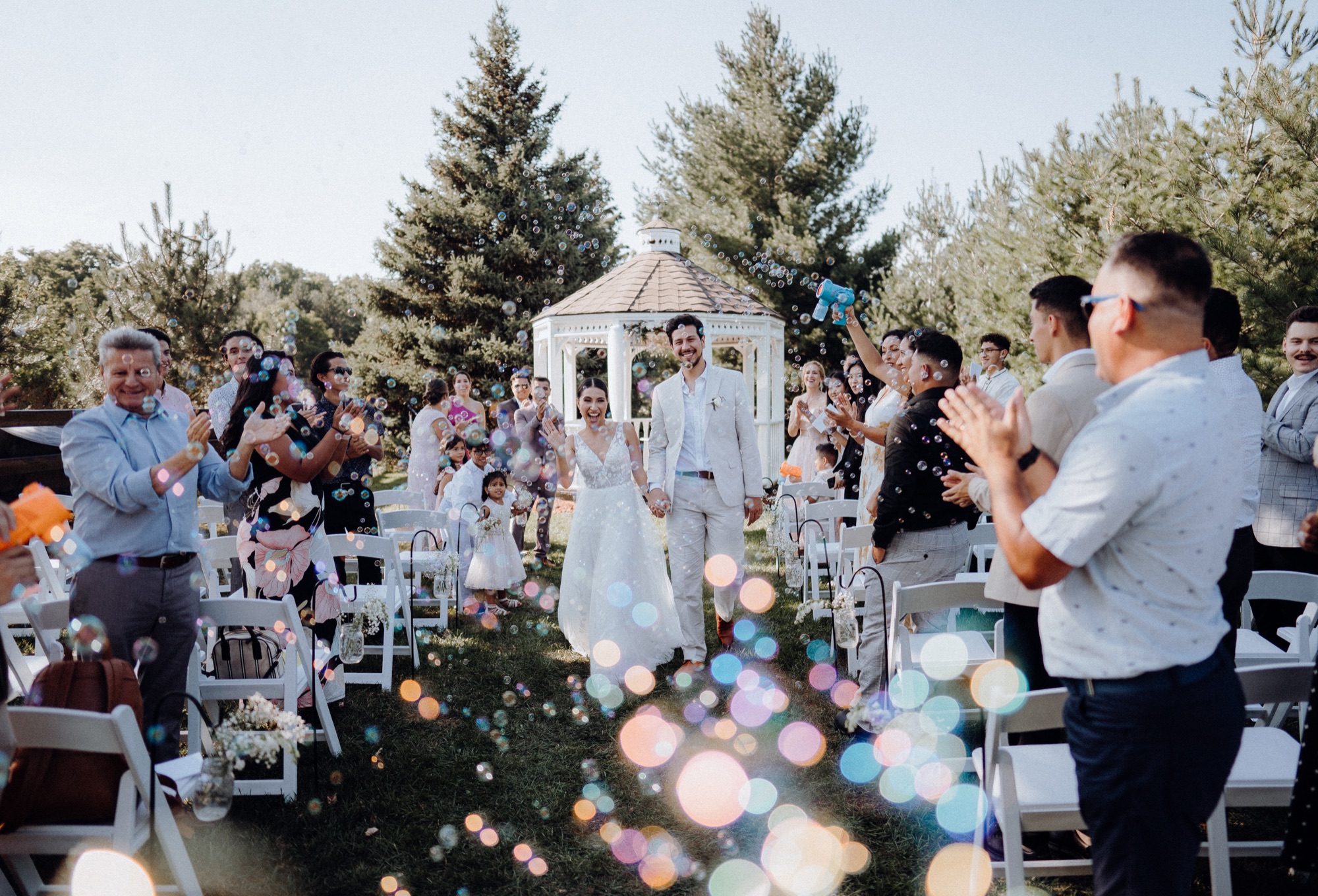
When couples start looking for a photographer, the word "style" gets thrown around a lot, and it can be genuinely confusing. Every photographer shoots a little differently, in how they light a scene, how they pose people, and how they edit. Those choices add up to a look, and the look is what you're really booking. I photograph weddings around Toronto, and most of the galleries you scroll past are some mix of the styles below. Knowing the main ones makes it so much easier to find someone whose work matches what you're picturing, and to talk about it in words instead of just "I want it to feel nice." Here are the six you'll run into most.
← Guides
Classic
Classic is clean, timeless, and posed. It turns moments into formal portraits with straightforward compositions, and it's the safe bet for family and group shots. This is the style your parents and grandparents will recognize instantly, and the one that almost never looks dated when you pull the album out in thirty years.
On its own it's fairly understated, so photographers often blend it with other styles to give the story a bit more range. Think of it as the reliable base layer that guarantees you actually get the shots relatives expect, even when the rest of the day leans more candid.
Fine art
Fine art is the light, bright, and airy look. It leans on natural light and something soft and delicate, usually shot outdoors, and the images feel crafted and a little painterly, the kind you could frame and hang on a wall. That's where the name comes from.
The catch is balance, because pushed too far it tips from dreamy into overexposed, so it takes a careful hand to keep it looking refined. It really comes alive with outdoor ceremonies and golden light, which is why I always nudge couples to prioritize sunset photos when the timeline allows.
Photojournalistic
Photojournalistic photography, which you'll also hear called documentary, is all about candid, unposed moments as they actually happen. It puts the real story ahead of polish, so the photographer works quietly in the background and catches emotion as it unfolds rather than staging it. It's great if you're camera shy, since nobody's asking you to hold a pose.
The trade off is fewer of those big, styled, portrait perfect shots, since those usually need some direction. If you love the honesty of documentary work but still want a handful of stunning portraits, that's exactly the gap hybrid coverage is built to close.
Lifestyle
Lifestyle is the happy middle ground. It blends candid moments with a little direction, so I might nudge you toward a nice patch of light or a bit of movement while keeping everything feeling natural. If you want to duck out for ice cream in the afternoon or take a slow walk somewhere you love, that's exactly the kind of moment lifestyle leans into, real but gently guided. You end up looking like the best version of yourselves without feeling like you sat for a school photo.
It suits couples who want beautiful images without heavy, stiff posing, and it's where a lot of my own work sits.
Dark and moody
Dark and moody leans into shadow and drama instead of soft, even light. Rich shadows, deep tones, and a cinematic feel give it a really distinctive, atmospheric look, and it's all over Pinterest right now.
It's a specific taste though, so it's worth being sure it's the vibe you want across an entire gallery. A moody edit is gorgeous for a few hero shots, but it colours everything, so picture your getting ready photos and your dance floor in that same deep, shadowy tone before you commit to it wall to wall.
Editorial
Editorial takes its cues from high end magazines. It uses controlled lighting (often artificial), precise posing, and a lot of intention to hit that polished, luxury look, with bolder angles and deliberate styling borrowed straight from fashion shoots.
It basically turns your wedding into a styled photoshoot, with the production value to match. That means building a little extra time into the day for setups and direction, in exchange for images that look pulled from a spread.
Most photographers, me included, blend a few of these rather than living in just one. Once you know what you're drawn to, finding the right fit gets a whole lot clearer, and the full guide to choosing your wedding photographer walks through the rest of it. If you want a second set of eyes on what your gallery could look like, reach out and we'll talk it through.
Frequently Asked Questions
What's the most popular wedding photography style?
There isn't one clear winner, and honestly that's a good thing. Most couples I work with gravitate toward a blend, usually candid documentary moments for the bulk of the day paired with a set of classic portraits so nobody's missing. Lifestyle sits right in that sweet spot, which is why it's so common now.
What's the difference between documentary and traditional wedding photography?
Traditional (what I call classic) is posed and directed. The photographer sets up family groups, couple portraits, and structured shots that are planned in advance. Documentary is observational, catching real moments as they happen with no posing. Traditional gives you the shots you know you need, documentary gives you the ones you didn't know you'd treasure. Plenty of couples want both.
What wedding photography style should I choose?
Start with the galleries you already love and look for the pattern. Are you drawn to bright and airy fine art, deep and moody drama, or relaxed lifestyle candids? Then think about how you feel in front of a camera. If posing makes you tense, lean documentary. If you love a polished look and don't mind direction, editorial might be your thing.
What is dark and moody wedding photography?
It's a style built on shadow, rich tones, and dramatic contrast instead of soft even light. The edit adds deeper colours and a cinematic feel, so the whole gallery reads intimate and atmospheric. It's stunning, but it's a strong flavour, so make sure you love it across every part of the day and not just one photo.
Can my photographer shoot in more than one style?
Yes, and most good ones do. I rarely stay locked in a single style all day. A ceremony might call for documentary honesty, portraits might lean fine art, and family shots stay classic. The goal is a gallery that tells the whole story, not one that proves a point about a single look.