Being engaged is the best feeling in the world. Then it dawns on you that there's a whole wedding to plan, and it can quietly start to feel like a second job. It really doesn't have to. I've photographed over a hundred weddings around Toronto and the GTA, and the couples who actually enjoy the process all tend to do the same handful of things. Here are my ten wedding planning tips, learned from the other side of the camera.
← Guides
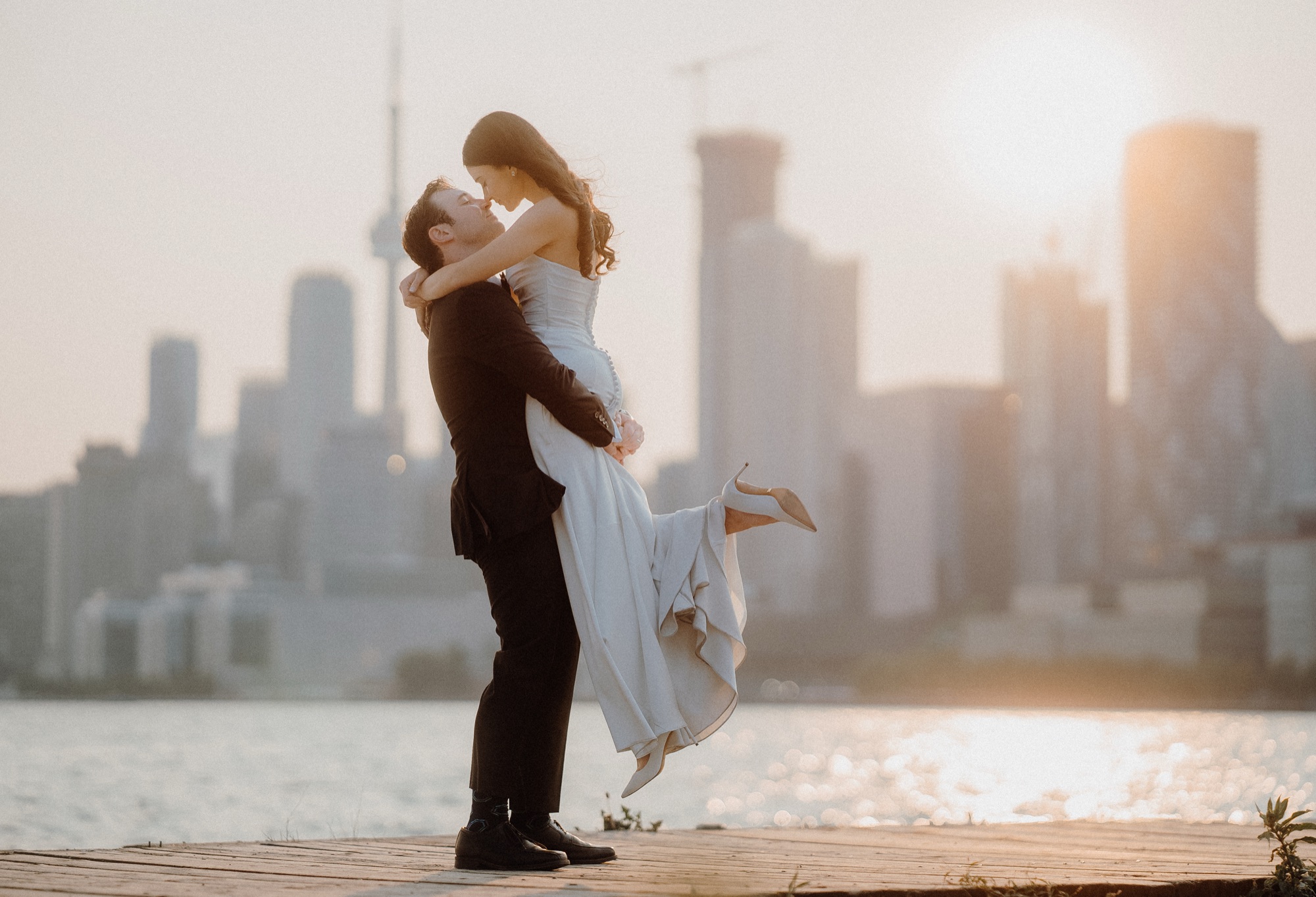
1. Start before you feel ready
Nobody ever feels ready to start planning a wedding. You just got engaged, you want to enjoy it for a minute, and suddenly people are asking for a date. Start anyway. The couples who begin early are almost always the calmest ones, because the best venues, photographers, and dress shops around Toronto book up fast, often a year or more out, and the popular summer Saturdays go first.
You don't have to do it all at once. Just get the big rocks in place early: your date, your venue, and the vendors you'd be gutted to lose. As a rough guide, most couples plan over about 12 to 18 months, though a tighter 6 to 9 months works perfectly fine if you're flexible on the date. For a full look at how the day itself flows, here's my wedding day timeline guide.
2. Keep everything in one place
Wedding planning is death by a thousand tabs. Contracts in your email, a deposit receipt in your texts, a venue floor plan in a screenshot somewhere. Pick one home for all of it before it gets away from you. A single shared Google Drive folder or a simple planning spreadsheet works great, and it means both of you can see the same thing.
Keep your running checklist, every contract, your payment due dates, and your timeline in that one spot. When it's all together, nothing slips through the cracks and you're never digging through your inbox at midnight trying to remember when the next payment is due. Future you will be very grateful.
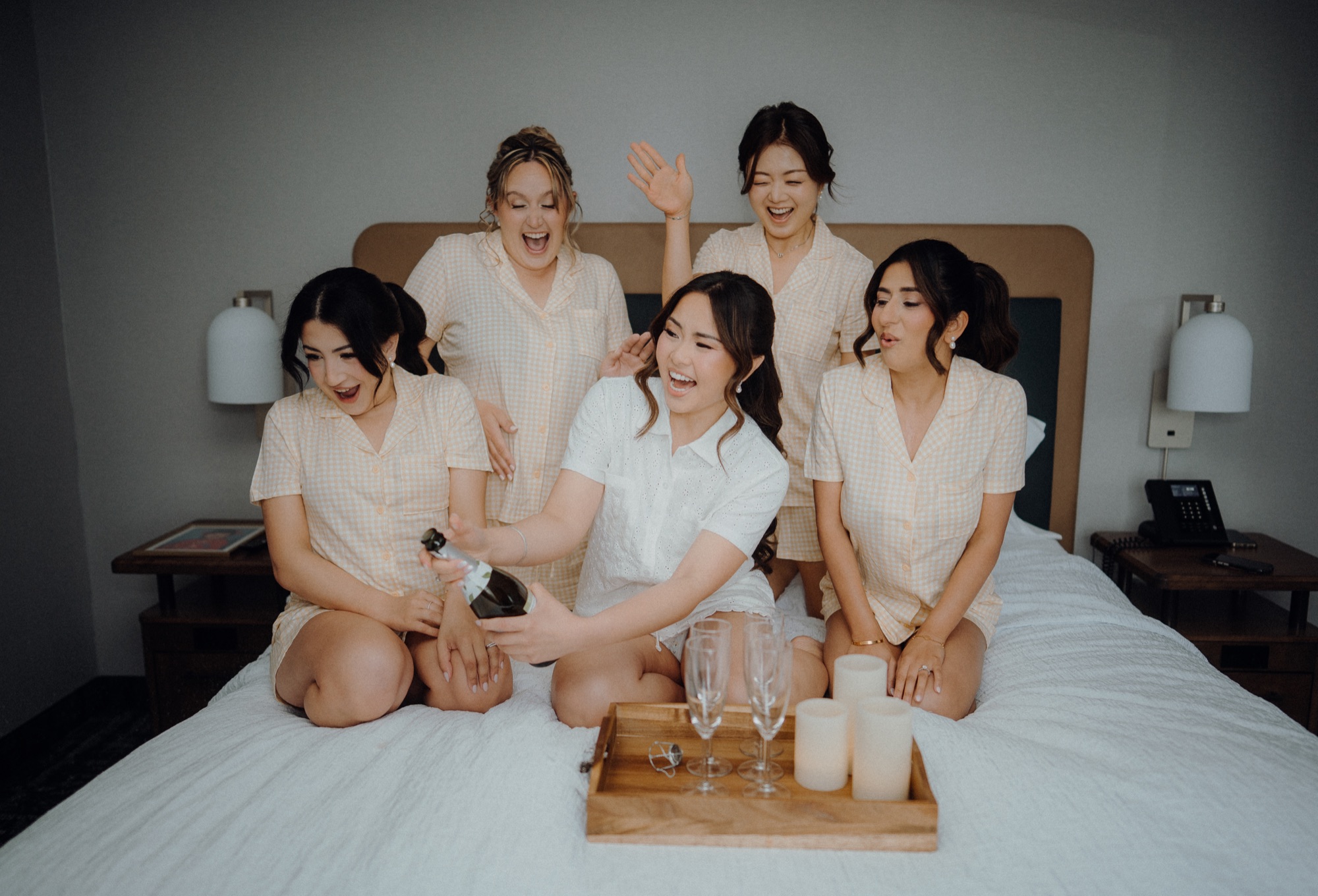
3. Pad your budget
Figure out roughly what you want to spend per vendor early on, and aim a little high on each one. It's a much better feeling to come in under budget than to fall in love with a venue or a dress and realize it blows past what you'd planned. A little cushion on every line saves you a lot of stress later.
For a sense of scale, the average wedding in Toronto and the GTA runs somewhere around $50,000 to $65,000 all in, with the venue and catering taking the biggest bite, usually $150 to $250 per guest. And don't forget the sneaky extras that never make the first draft of a budget: taxes, gratuities, dress alterations, and vendor overtime if the party runs late. Knowing the real going rates makes padding your budget a whole lot easier.
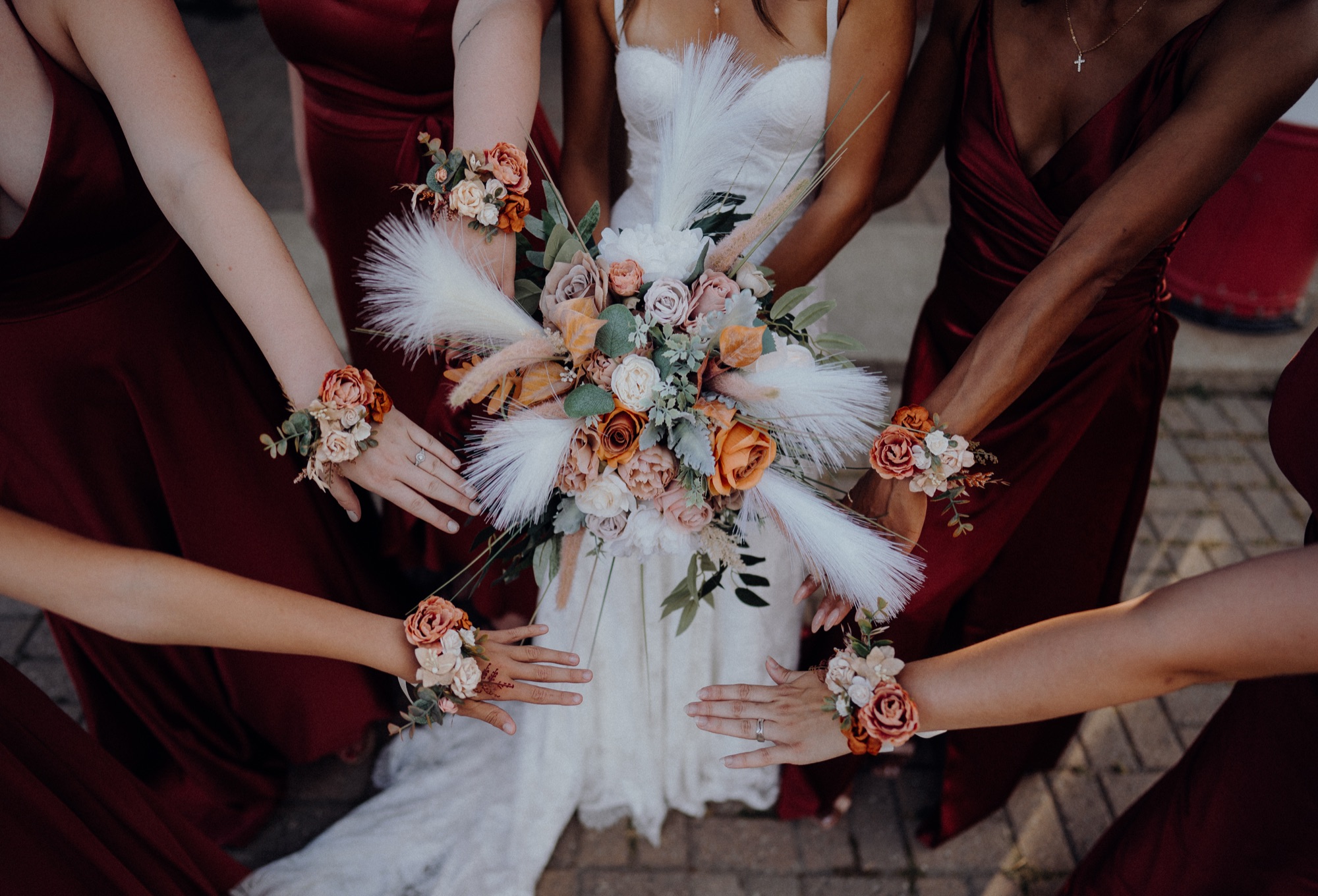
4. Own your guest list
Your guest list is quietly the most important number in your whole budget, because almost everything scales with it. More guests means a bigger venue, more meals, more centerpieces, more everything. So start with the people you genuinely want in the room, not the people you feel like you're supposed to invite.
You are not obligated to invite everyone, and you don't owe anyone a seat. It's your day. Build the list around who actually matters to the two of you, and if family politics start creeping in, remember that every extra name has a real dollar figure attached to it. Guard that list. If a big number starts to feel like too much, it is worth reading up on how to plan a micro wedding before you lock anything in.
5. Ask your vendors questions
Your vendors do this every single weekend. You're planning one wedding, they've worked hundreds, so lean on them. If you're not sure whether your timeline works, whether something's even possible, or what order you should be booking people in, just ask. There's no such thing as a dumb question when it's your first time doing this.
A good vendor would so much rather answer your questions early than have you quietly worrying about it for months. When you meet a photographer or a planner, ask them how the day usually flows, what they wish couples knew sooner, and what tends to run behind. The good ones will happily tell you, and you'll walk away feeling ten pounds lighter. If you want a hand knowing what to ask, I wrote a whole guide on how to choose your wedding photographer.
6. Skip the "supposed to"
The best weddings feel like the couple, not like a checklist of things you're supposed to do. Somewhere along the way weddings picked up a big list of "musts," and a lot of them are optional. Don't want a bouquet toss? Skip it. Not into a big formal exit? Don't do one. Rather have tacos than a plated dinner? Amazing.
Keep the traditions that actually mean something to you and quietly let go of the ones that don't. Nobody remembers the wedding that ticked every box by the book. They remember the one that felt unmistakably like the two people getting married. That's the one people talk about on the drive home.
7. Trust the people you hired
You spent all that time vetting your vendors, reading reviews, and having calls. Once you've picked great ones and told them your vision, let them run with it. Trying to micromanage every little thing on the day is the fastest way to steal your own fun, and it keeps you from being present.
Speaking for photographers: the moment you relax and trust us is usually when the best photos start happening. We've handled the rain, the late uncle, the timeline that fell apart, all of it. You hired these people because they're good at this, so on the day, hand it over and let them be good at it. Your only job is to get married and have a blast.
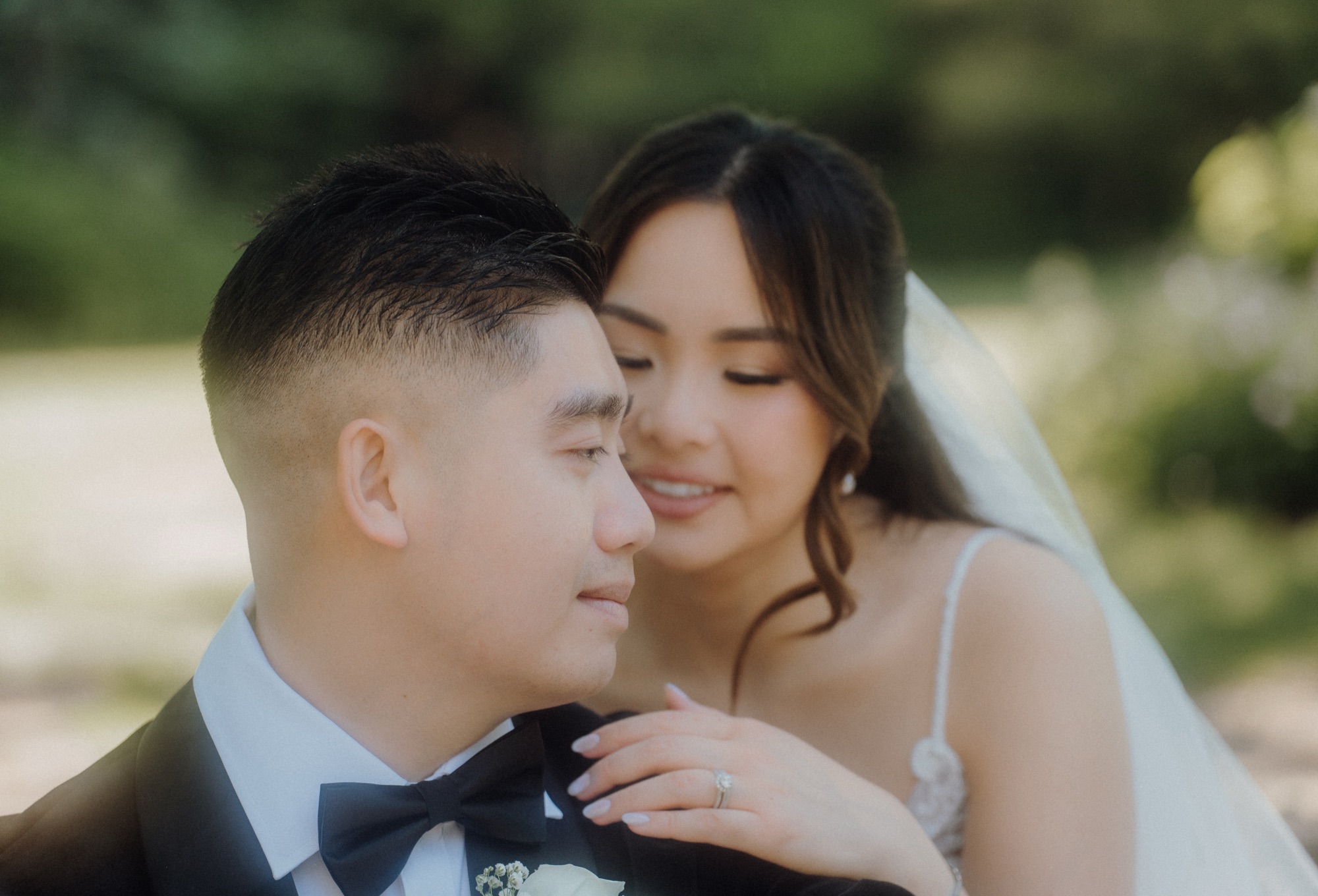
8. Aim to be done a month early
Set your real finish line about a month before the wedding, not the week of. That buffer catches all the little things that always surface at the last minute, like a final headcount change, a seating tweak, or a vendor who needs one more detail. Get your final payments, your seating chart, your timeline, and your vendor confirmations wrapped up with a few weeks to spare.
Then, if you finish early, the reward is huge: you get to spend that final month excited instead of exhausted. Wedding week should feel like anticipation, not a sprint. The ones who give themselves that calm final stretch always seem to glow a little more walking down the aisle.
9. Make two lists
When everything feels equally urgent, split it in two: the essentials and the extras. The essentials are the things the wedding can't happen without, like the venue, the food, the officiant, the photographer. The extras are the fun details, like a specific flower, a late night snack, a photo booth.
Handle the big, essential stuff first, and lock in your budget around it. Once the essentials are secured, the smaller details tend to fall into place on their own, and you'll have a clear sense of what's left to spend. It keeps you from stressing over napkin colours before you've even booked a caterer, which, trust me, happens more than you'd think.
10. Actually enjoy it
You only get to plan this once. Space out the tedious tasks so they don't all pile up into one miserable weekend, and turn the fun ones into a date night or an evening with friends. Cake tastings and playlist building are supposed to be a good time, so treat them like one.
And on the day itself, take a breath and soak it in, because it goes fast. I see it at every single wedding: the couples who stay present and actually enjoy the planning are the ones still smiling at the end of the night. Don't let the checklist burn you out before you get to the best part, which is marrying your favourite person.
Frequently Asked Questions
How far in advance should you start planning a wedding?
Most couples plan over 12 to 18 months, which gives you first pick of venues and vendors. In the GTA the best ones book up well over a year out for peak dates. If you're flexible on your date, a great wedding is very doable in 6 to 9 months.
How much does a wedding cost in Toronto?
Most Toronto and GTA weddings land between $35,000 and $75,000, with the average around $50,000 to $65,000 for 130 to 150 guests. Venue and catering are the biggest share, usually $150 to $250 per guest.
What order should you book your wedding vendors in?
Venue first, then the vendors who only take one wedding per date: your photographer, videographer, and caterer. Once those are locked in, add your florist, DJ or band, officiant, and the smaller details.
Do you need a wedding planner?
You don't have to have one, but hiring a coordinator just for the wedding day is one of the best value moves you can make. It means someone other than you is running the timeline so you can actually be present for your own day. If your venue doesn't already include a coordinator, it's well worth adding.
Keep reading
A few more guides to help you plan, from the same spot on the other side of the camera: