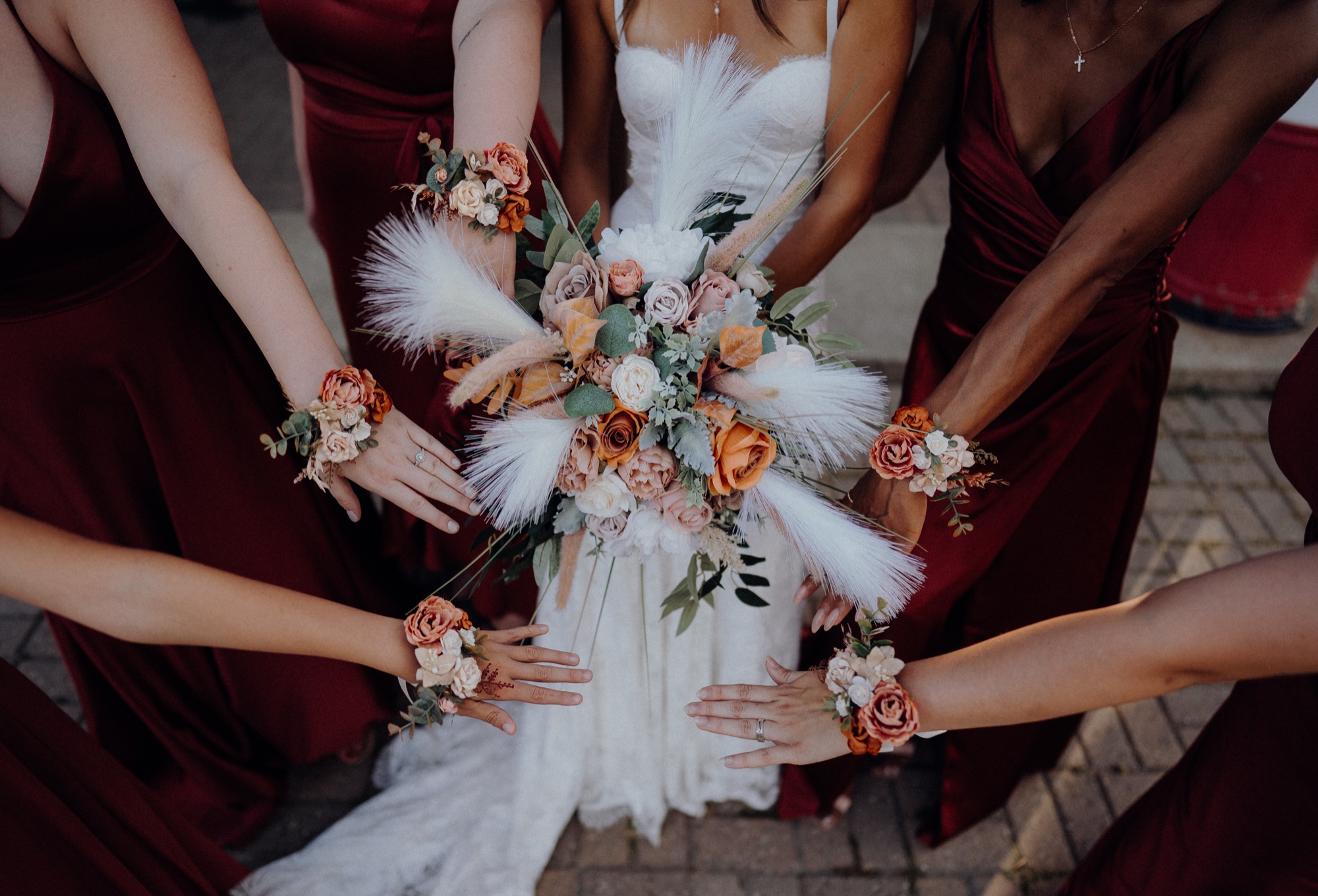
If I could get every couple to obsess over one thing, it would be the wedding day timeline. More than the venue and more than the food, a well planned schedule is what makes the whole day feel calm instead of frantic. I've photographed over a hundred weddings around Toronto and the GTA, and the ones that flow are almost never the fanciest. They're the ones with a timeline that gives everyone a little room to breathe. Here's a sample day to build from, plus the things I've learned that make or break it.
← Guides
A sample timeline for a 3pm ceremony
This one is built around a 3pm ceremony, which is a common start time. If yours is earlier or later, shift the blocks to match, since everything after the ceremony tends to stay the same. The morning is where the calm starts, so give both of you a full hour to get ready, with the first twenty minutes set aside for detail photos. Here's how a full day usually looks:
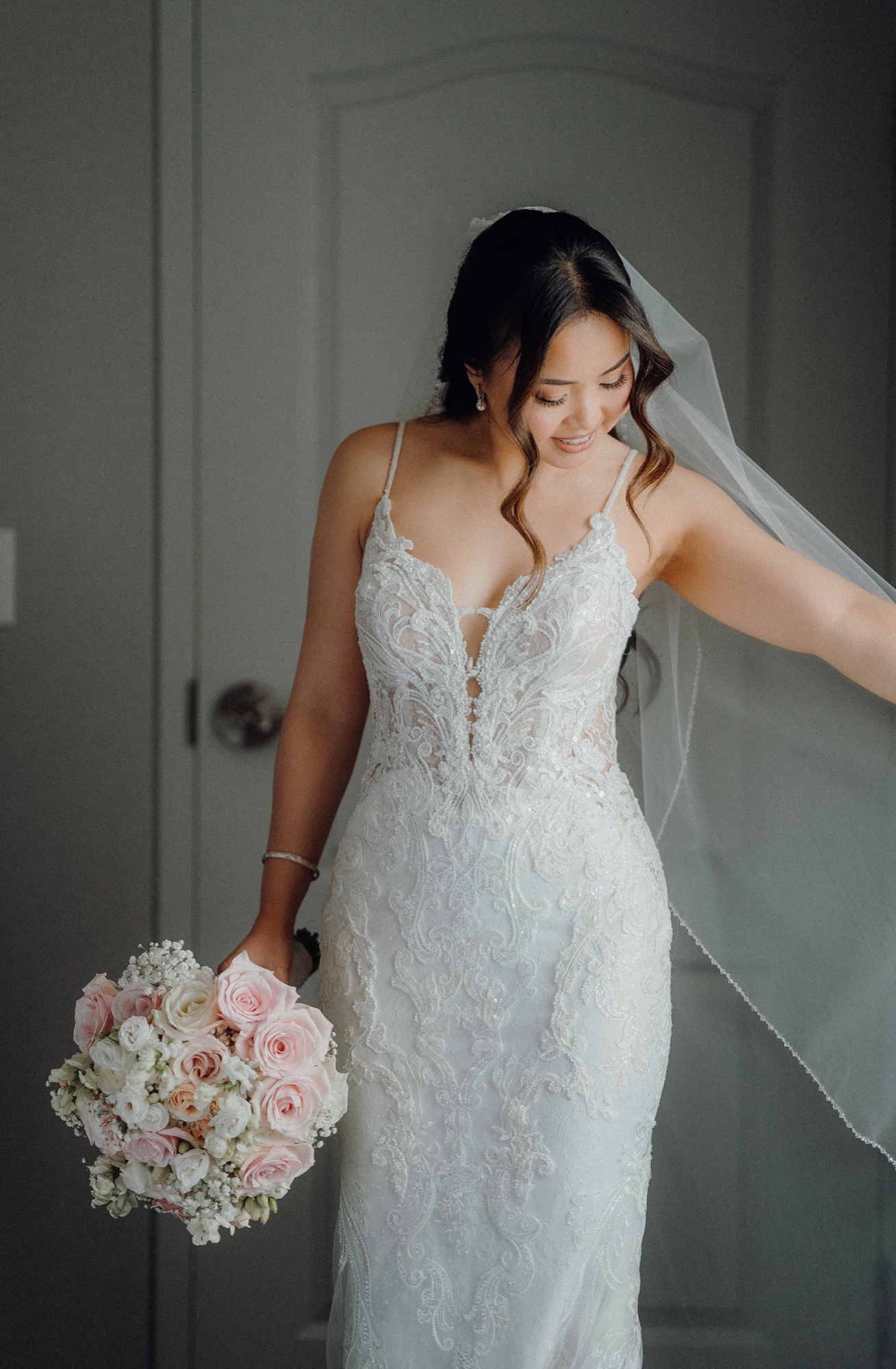
12:00pmGroom getting ready20 min detail photos, then 40 min getting ready1 hr
1:00pmBride getting ready20 min detail photos, then 40 min getting ready1 hr
2:00pmBridal party portraits10 min
2:10pmBuffer while guests arrive20 min
2:30pmFirst lookJust the two of you, before the ceremony30 min
3:00pmCeremonyProcessional, vows, recessional30 to 60 min
3:30pmGrab a drink and breatheA few candids of you two before family photos10 min
3:40pmCocktail hour, family photos and portraitsFamily formals and couple portraits, second shooter on candids and room details1 hr 20 min
5:00pmGrand entrance15 min
5:15pmFirst dance15 min
5:30pmDinner30 min
6:00pmSpeeches and games1.5 hr
7:30pmSunset portraitsA few minutes away for the best light of the day15 min
7:45pmCake cutting15 min
8:00pmToasts15 min
8:15pmBouquet and garter toss15 min
8:30pmOpen dancing1.5 hr
10:00pmGrand exit
How to build your own timeline
Use the sample as a starting point and shape it around your day. Once you have a couple of anchor points set, the rest tends to fall into place around them. In practice, it usually comes together in this order:
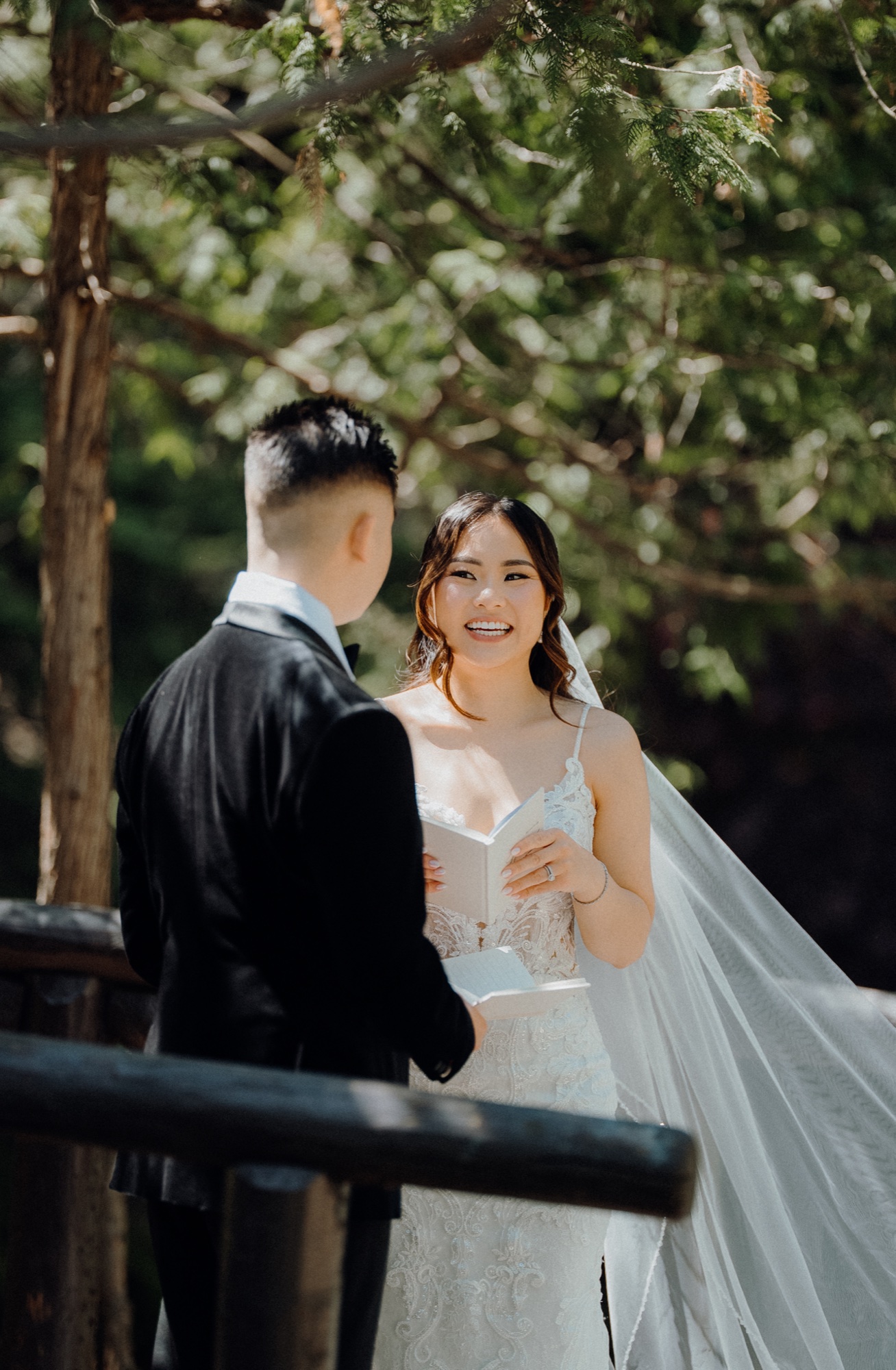
- Ceremony time comes first. It's normally set by your venue's time block, or by a church, temple, or cultural tradition that has to happen at a certain time. Most Toronto weddings, summer included, start between 2 and 4pm.
- Work outward from there. Getting ready fills the hours before, the reception follows after, and dinner lands at a normal hour for your guests.
- Protect the moments in between. Leave real buffers between the big transitions, and build in a little cooldown for the two of you, so the day never turns into a sprint. The optional extras worth making room for, like a first look or private vows, are in the next section.
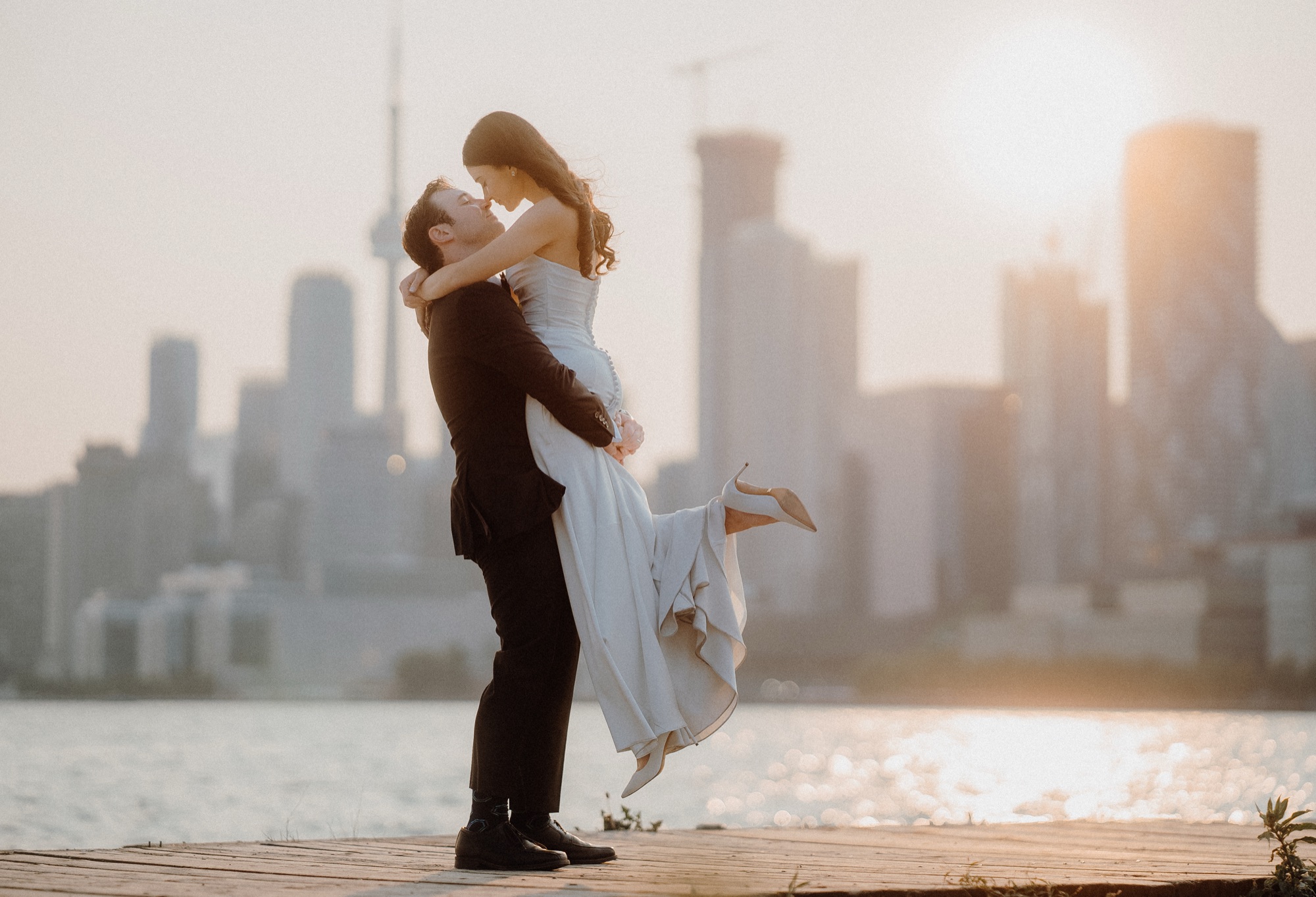
- Fit the portraits into the gaps. Family and couple photos sit nicely in cocktail hour. Sunset portraits are flexible, we can usually slip out for about fifteen minutes between speeches, or take a little longer if you give it the room, since that's the best light of the day. We also keep an eye on the real sunset and we'll let you know ahead of time if we should shift it a touch earlier or later.
Extra moments worth making time for
The sample covers the main beats, but the moments couples forget to plan for are usually the small, personal ones. They're easy to skip when you're focused on the big blocks like the ceremony and dinner, and they tend to be the ones you remember most.
None of these are required. Pick the ones that sound like you and tell me early, so I can build them into the timeline instead of squeezing them in at the last minute.
- First look Seeing each other before the ceremony, just the two of you, takes about thirty minutes and gets a lot of your portraits done early. You can also do a first look with your dad or your wedding party, which is always a moment.
- Private vows Reading your own vows quietly to each other, usually at the first look. Ten or fifteen minutes, and some of the most emotional photos of the whole day come out of it.
- Visiting tables If you want to say hi to everyone, working the room table by table during dinner is the easiest way, and it gives us natural moments with your guests instead of a stiff line after the ceremony.
- Outfit changes If you're slipping into a second look or a cultural outfit, leave fifteen or twenty minutes for it, since it pulls you away from the party.
- Cultural traditions Something like a tea ceremony usually happens earlier in the day and can take a real chunk of time, so give it its own block instead of squeezing it in.
- Travel between locations If you're getting ready, marrying, and celebrating in different spots around the GTA, pad the drive times. Toronto traffic doesn't care about your timeline.
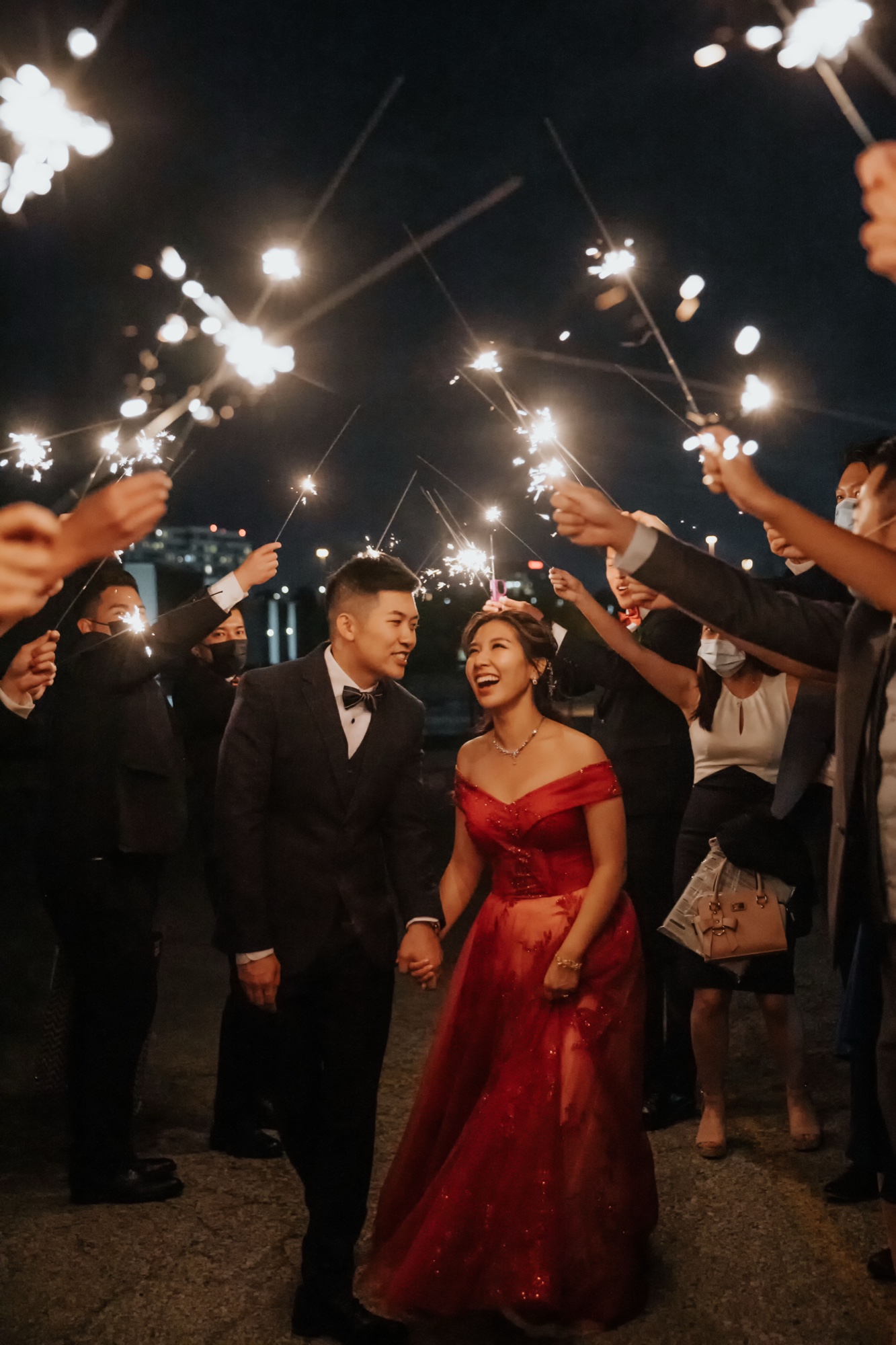
- The send off For a nighttime exit, things that light up look best in photos, like sparklers or glow sticks. For a send off straight out of the ceremony, bubbles or confetti are so much fun, just check your venue allows them first.
- Cold sparks These are machines that shoot up a bright fountain of sparks that are cool to the touch, so plenty of venues allow them even when real sparklers are a no. They look incredible framing your grand entrance, your first dance, or your exit, and they photograph beautifully. Clear it with your venue first, but if they allow it, it's one of the best ways to make a big moment feel even bigger.
- A private last dance One song, just the two of you on an empty floor at the end of the night. A quiet way to close everything out.
A couple of these you don't have to think about at all. My second photographer usually catches the empty room and detail shots before guests walk in, and the marriage license signing normally happens during the ceremony itself, so that one is only a couple of minutes.
A few things that make it work
Those are the big pieces. These are the small habits that keep a day on track, whatever time your ceremony starts.
- Build in buffer time Something always runs a little late, and a bit of padding keeps one delay from knocking over the whole day. Those 20 and 30 minute gaps I leave in the schedule aren't wasted time, they're the reason the rest of it holds together.
- Chase the good light Schedule your portraits for the good light, especially sunset. That's when the magic happens, and it's worth stepping away from the party for ten minutes to catch it. If you only protect one thing on the whole timeline, make it your sunset portraits.
- Spread out the speeches Put one between each dinner course instead of stacking them all at once, so nobody is sitting through forty minutes of toasts on an empty stomach.
- Have a spot in mind If there's a place on the property you love, tell your photographer and we'll build it into the plan. If you have no idea, that's completely fine too. Finding the best light and backgrounds is part of our job, and we'll have it sorted before you get there.
- Always have a backup If you're outdoors, keep an indoor backup ready. The weather doesn't check your schedule.
Frequently Asked Questions
How many hours of wedding photography do you need?
For most weddings, plan for around eight hours to cover getting ready through the main reception moments. If your day includes cultural traditions or is spread across a few spots around the GTA, closer to ten hours keeps you from racing the clock and the traffic.
What time should my wedding ceremony start?
Most of it comes down to your venue and any religious or cultural traditions, which usually set the time before photography even enters the conversation. Around Toronto, summer included, most ceremonies start between 2 and 4pm, which leaves a full evening for the reception. Light still matters, so we keep an eye on sunset and we'll tell you if nudging the start a little earlier or later would help your photos, but you never have to build the whole day around it.
When should I finalize my wedding day timeline?
Lock it in about a month before the wedding, then send the final version to every vendor a couple of weeks out. Your photographer, planner, DJ, and caterer should all be working from the same schedule. That one shared timeline is what keeps the day running without you having to manage it.
How long should cocktail hour be?
About an hour is standard, and it's genuinely useful time. While your guests enjoy drinks and appetizers, that's usually when I pull the family groups and couple portraits. If you have a second photographer, they stay out with your guests during that hour to catch the candid moments and the room details, so you end up with both the posed photos and the atmosphere from the same window of time.
Do I need a first look?
You don't have to, but a first look moves your portraits earlier and frees up your cocktail hour to actually spend it with your guests. It also takes the pressure off the tight window right after the ceremony. I broke down the tradeoffs in should you do a first look.
Keep reading
A few more guides to help your day run smoothly, from the same spot on the other side of the camera: